

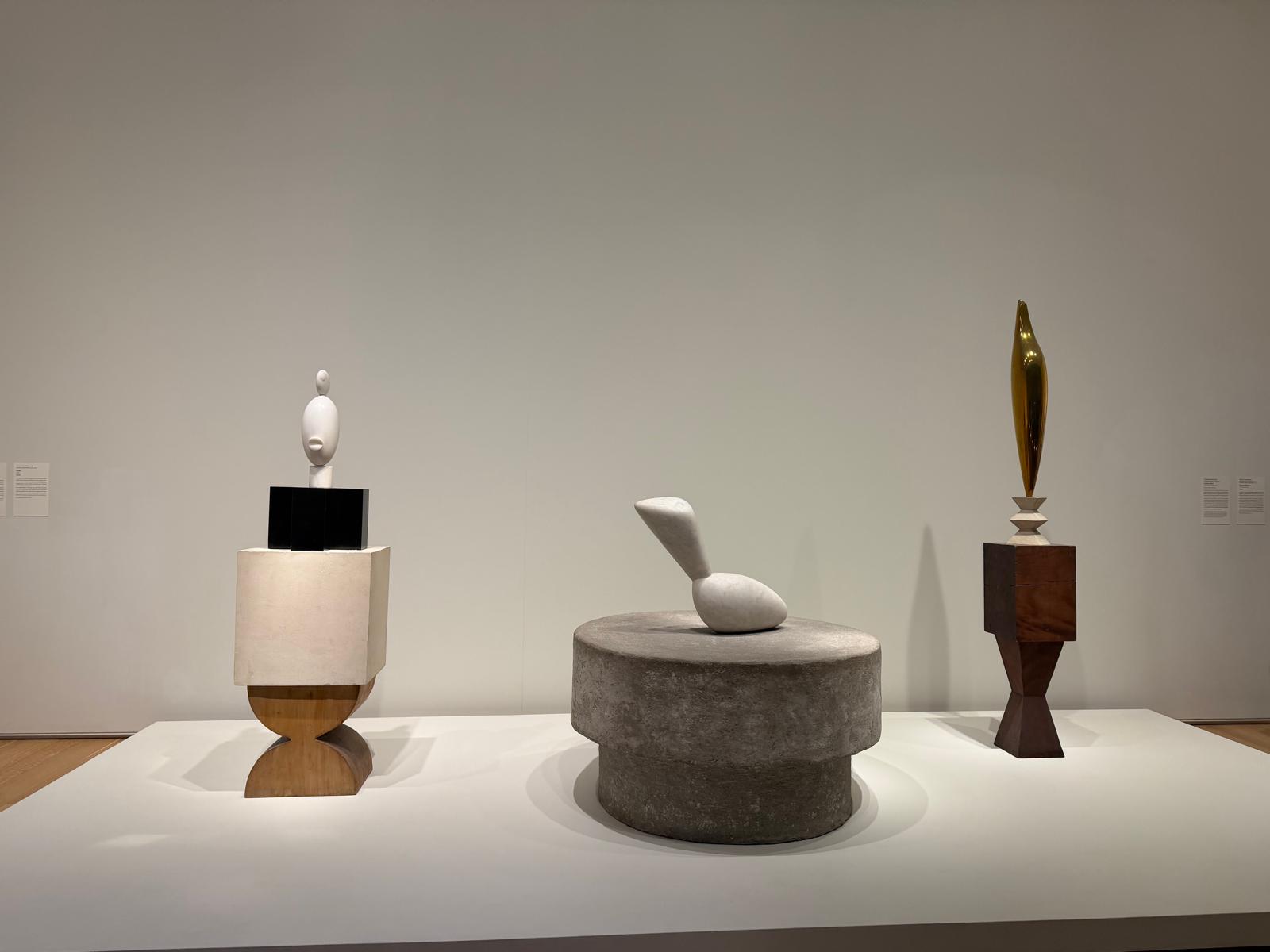
✨ Celebrating Brâncuși at the Art Institute of Chicago ✨
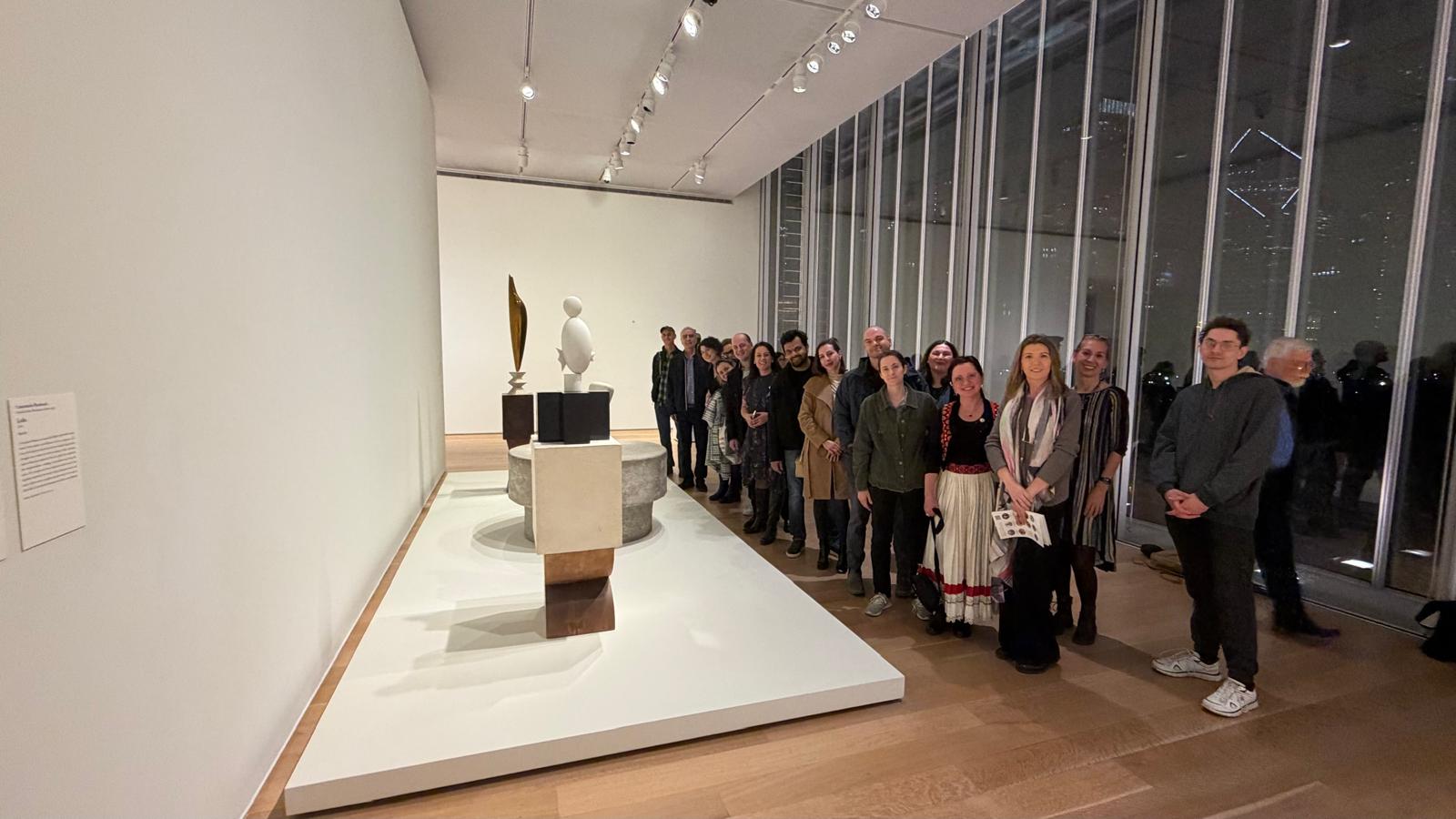
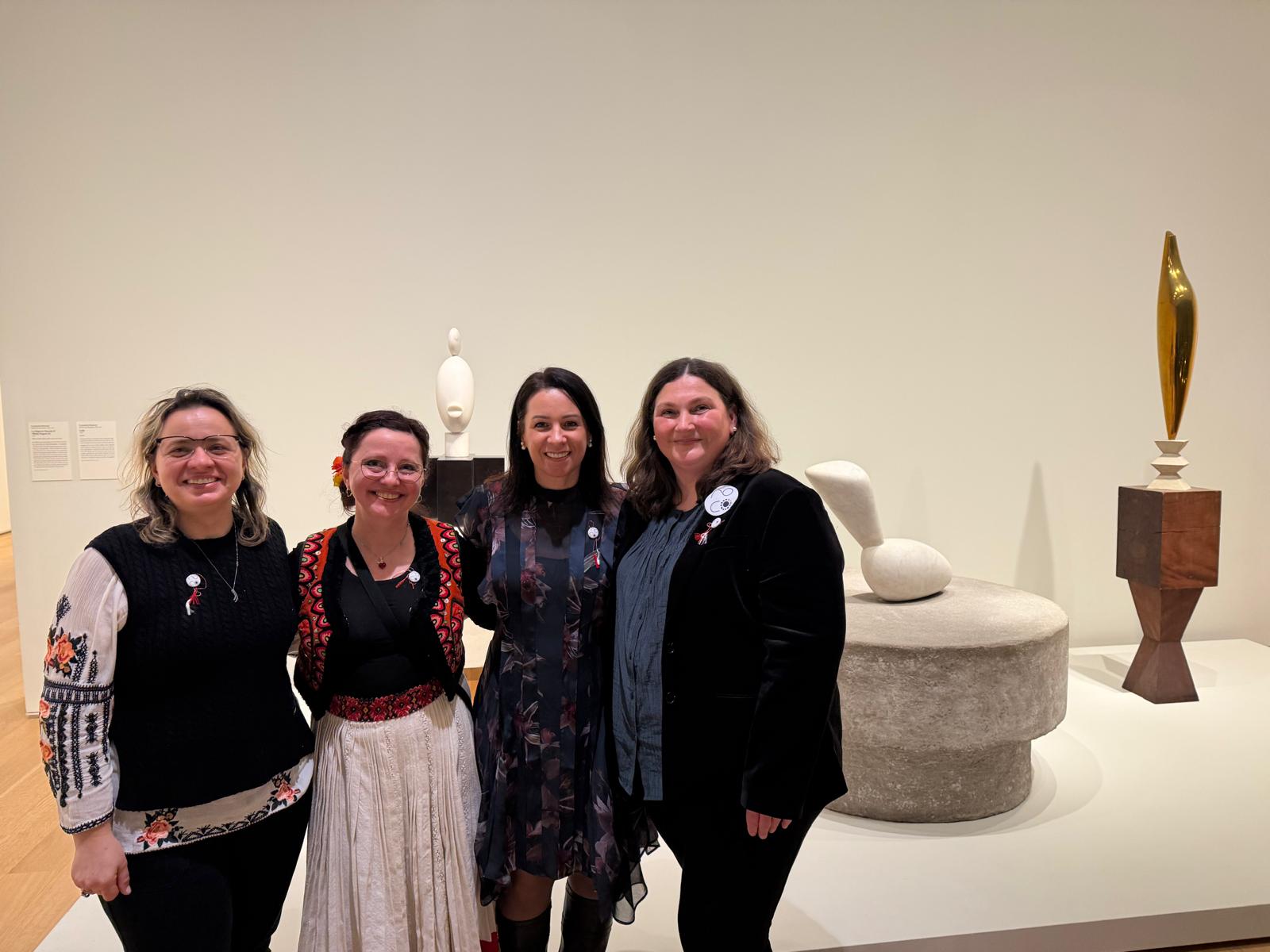
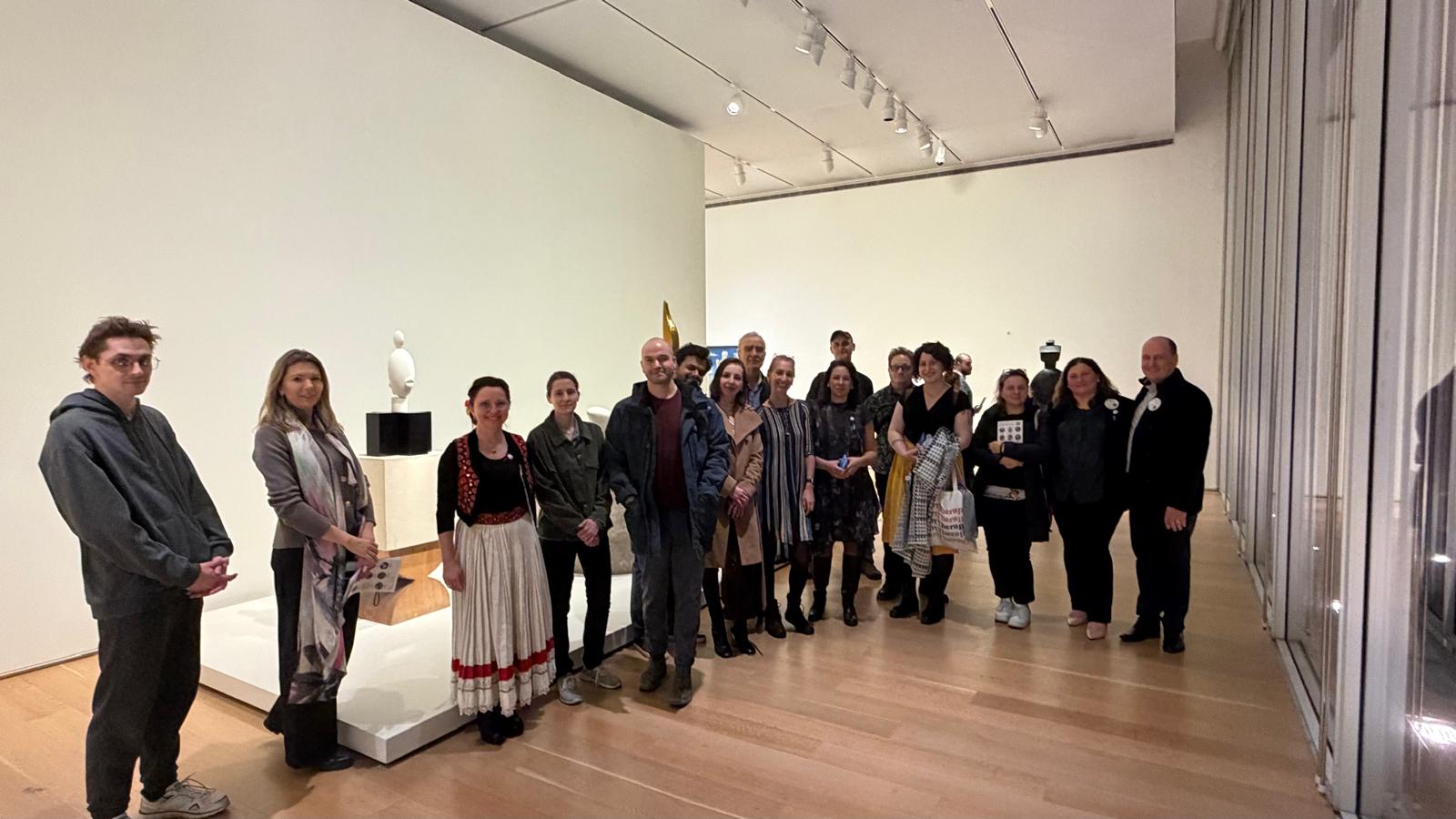
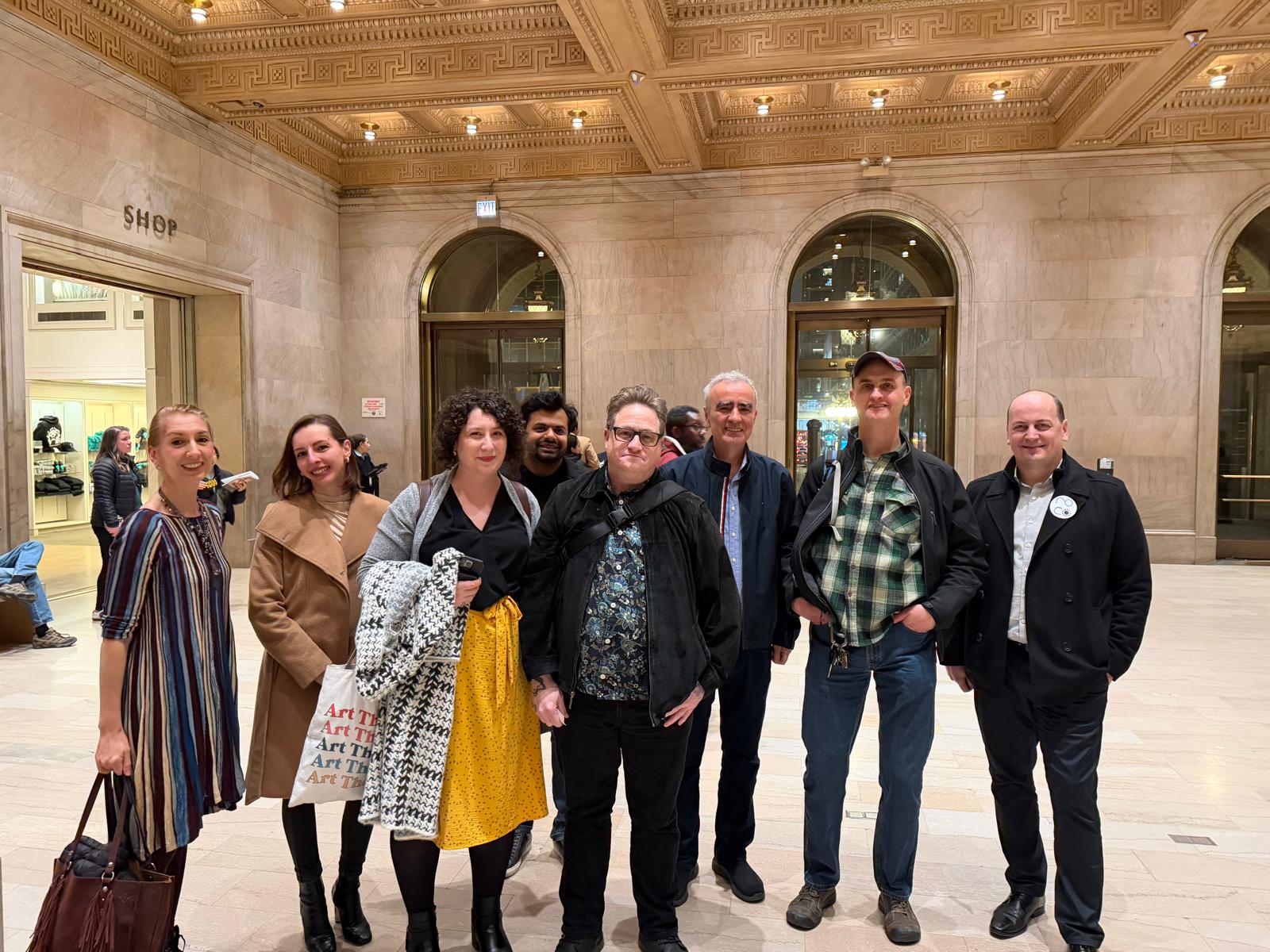
Last night, ROCO Chicago hosted a meaningful and intimate gathering at the Art Institute of Chicago to celebrate the birthday, genius, and lasting legacy of Constantin Brâncuși.
With a group of 20 engaged participants, we explored Brâncuși’s life, artistic philosophy, and revolutionary contributions to modern art—highlighting how his work continues to influence artists and thinkers around the world. The discussion and insights shared throughout the evening were drawn from the content presented below.
It was a beautiful evening of learning, reflection, and connection, honoring a visionary whose ideas remain as powerful today as ever. Thank you to everyone who joined us in celebrating Romanian culture and one of its greatest artistic minds.
📸 If you attended, we’d love to hear your favorite moment! Please share with us in the comments section of this page.
Constantin Brâncuși: The Essence of Flight
Constantin Brâncuși (1876–1957) is one of those rare artists whose sculptures seem to belong both to the distant past and the far future. Born in rural Romania, near Târgu Jiu, he carried the soul of folk carving into the center of modern Paris—and changed modern sculpture forever. Today, right here at the Art Institute of Chicago, several of his masterpieces continue to speak that quiet, lyrical language of Romanian craft and spirit: Golden Bird, Sleeping Muse, Two Penguins, and the drawing The Studio.
Brâncuși and Chicago
Brâncuși never lived in Chicago, but the city became one of the strongest homes for his work in America. The Art Institute—one of the first U.S. museums to champion modern art after the revolutionary 1913 Armory Show—holds his sculptures in its core modern galleries as essential markers of the 20th century.
One charming local connection: Golden Bird shares the same building with Marcel Duchamp’s playful Bottle Rack. The two artists were friends and collaborators, and when the Museum competed to acquire Duchamp’s piece, it proudly noted that Duchamp had once helped the Art Institute acquire a Brâncuși! So when you step into those galleries, you’re witnessing a silent dialogue between two of modern art’s boldest rebels—one Romanian, one French-American—right here on Michigan Avenue.
How the Works Arrived
The museum’s Brâncuși collection came together gradually through gifts, bequests, and purposeful acquisitions. The Studio, a graceful pen-and-ink drawing, was donated through the bequest of Mrs. Gilbert W. Chapman, a Chicago collector who believed in Brâncuși’s place not only in sculpture but also on paper.
Golden Bird and Sleeping Muse are now among the cornerstones of the Modern Art Department—carefully conserved, studied, and celebrated for their purity and energy. Two Penguins, carved in marble, shows Brâncuși’s gentler side: his love for organic, almost humorous life-forms found in nature.
Travels and Returns
Brâncuși’s sculptures have traveled the world, appearing in major retrospectives from Paris to New York, and yes, Chicago. One of the most ambitious exhibitions of his lifetime’s work visited the Art Institute, bringing together over 80 sculptures and dozens of drawings—including loans from Romanian museums. Those works journeyed across oceans only to return home, echoing Brâncuși’s own path: leaving Romania, redefining art in Paris, and coming “home” again through the admiration of audiences worldwide.
What to Look For
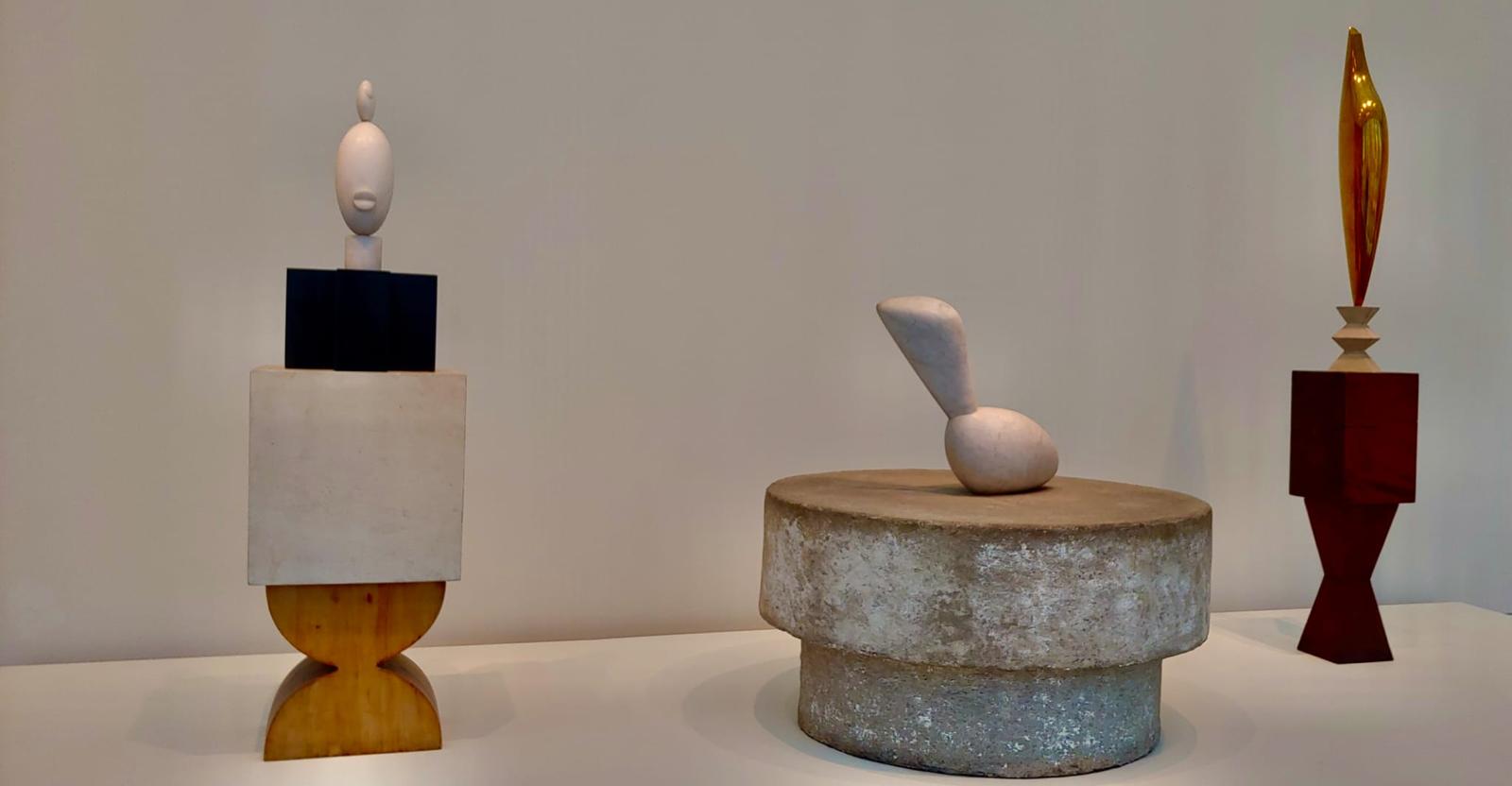
Stand before Golden Bird and you’ll see how it almost dissolves into light—polished bronze rising from stone and wood. Brâncuși said, “All my life, I have sought to render the essence of flight.” His Bird series doesn’t show wings or feathers—it shows the upward leap of spirit.
Golden Bird (1919–1920) is a polished bronze sculpture in which Brâncuși reduces the motif of a bird to a tall, slender, upward-thrusting form that emphasizes balance, verticality, and smooth continuity rather than anatomical detail. Mounted on a carefully structured base, the sculpture is conceived as a unified ensemble in which base and figure work together to activate space. The highly reflective surface captures and transforms surrounding light, reinforcing the sense of lift and motion without a literal depiction. Golden Bird exemplifies Brâncuși’s central modernist principle: sculpture should express the essence of a subject—in this case, flight—through abstract form rather than representational likeness.
Leda (c.1920-1926) is a polished bronze sculpture in which Brâncuși radically abstracts the Greek myth of Leda and the swan. Rather than depicting figures or narrative, he reduces the subject to a single, vertically oriented, spiraling form that suggests movement, union, and transformation. By eliminating literal representation, Brâncuși shifts the work away from storytelling and toward the expression of an essential idea—myth understood as energy and metamorphosis rather than image. The smooth surface and rotating contours invite the viewer to experience the sculpture spatially, reinforcing Brâncuși’s modernist aim to convey essence through form rather than description.
White Negress II (1933) is a marble head by Brâncuși that continues his long exploration of the human face through extreme simplification and abstraction. The sculpture presents an oval, highly polished form with facial features reduced to shallow incisions and smooth contours, emphasizing geometry, balance, and surface rather than individuality or expression. By carving the work in white marble and suppressing descriptive detail, Brâncuși directs attention away from naturalistic representation and toward the sculptural qualities of mass, light, and form. The work exemplifies his mature approach to portraiture as an expression of essence rather than likeness, consistent with his broader modernist philosophy.
Wisdom (c.1908) is an early limestone head carved directly from stone, marking a decisive moment in Brâncuși’s break from academic realism. The sculpture is compact and frontal, with simplified features and minimal surface detail, emphasizing stillness and inward focus rather than individual likeness or emotion. Its restrained geometry and quiet presence reflect Brâncuși’s interest in reducing the human figure to a timeless, essential state. As one of his first mature works, Wisdom anticipates his later practice by demonstrating how abstraction and simplification could convey meaning more powerfully than naturalistic representation.
A Bit of Humor and History
One of modern art’s funniest courtroom dramas starred Brâncuși himself. When an American customs officer refused to classify one of his Bird in Space sculptures as art—claiming it looked too “industrial”—Brâncuși took the matter to court and won. The result? Modern abstract sculpture gained legal recognition as art in the United States.
So if someone at the museum says, “But that bird doesn’t look like a bird,” you can smile and say, “Even the American government needed a trial to figure that out.” Then, invite them to look again—closely enough that, as Brâncuși said, “Look at the sculptures until you see them. Those closest to God have seen them.”
The Spirit Behind the Work
Brâncuși carved directly into wood and stone, rejecting the ornamental style of his teacher, Auguste Rodin. He wanted to reach the core of things, sculpting not what the eye sees but what the soul feels. He once admitted, “If one could create as one breathes, that would be true happiness. One should arrive at that.”
That pursuit of simplicity—pure, breathing creation—is what keeps his work alive. In a city built on steel and ambition, his bronze bird shines like a memory of flight—and of a Romanian heart that dreamed so far it reached the sky.
Before You Leave
Take a moment. Step close. Let the forms and materials speak.
Brâncuși once said that true vision requires time - “Look at the sculptures until you see them.”
Perhaps today, you will.
ROCO is more than just a place—it is a cherished part of our lives and our Romanian community. Visit often, get involved, become a member, and let’s continue enjoying it together.
An event like today’s requires roughly 30 volunteer hours, encompassing planning, announcements, promotion, relationship-building, outreach, and identifying appropriate collaborators to work with.
Every Contribution Counts
Even if you cannot donate financially, spreading the word about our Center and our events, join our Volunteer Team, or sharing our mission on social media also provides immense support. Every action you take helps us achieve our goals.
Become a Member
Donate Now
Your contributions are tax-deductible under ROCO Chicago's 501(c)(3) status and you will receive a donation receipt via email for your records. Your support is an investment in our common legacy, creating opportunities for our youth, and celebrate our shared culture.
Can we count on your generosity today to keep our momentum thriving?
Donate for Programs
Do you like this page?